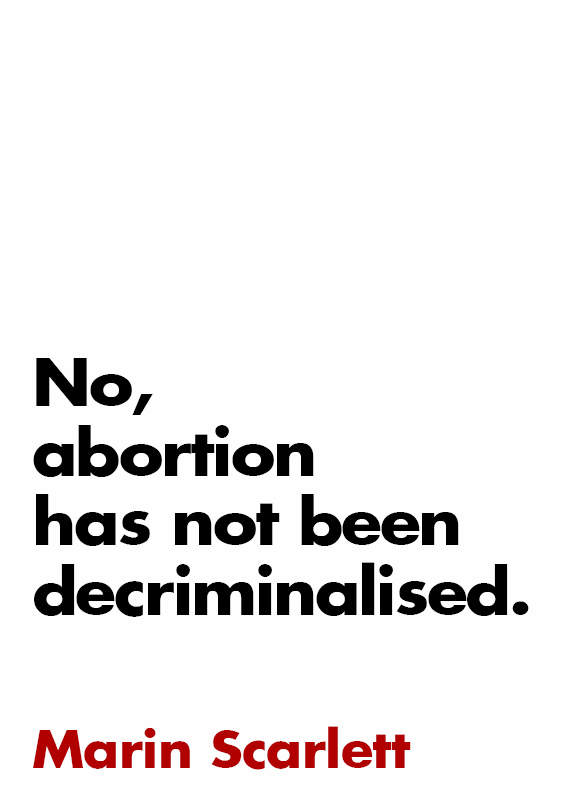
Recent months have seen a wave of headlines celebrating a vote to decriminalise abortion in England and Wales. While these reports stem from a highly significant amendment, this is not full decriminalisation. It is partial decriminalisation at best, and packaged in an Act that is otherwise a grave rollback of our civil rights, and that any leftist cannot in good conscience celebrate.
UK law has treated controlling one’s own fertility as inherently criminal unless done through specific, state-mandated guidelines. This form of structural violence treats a person’s body as state property. In the summer of 2025, MPs voted to remove some existing criminalisation of abortion in England and Wales. This amendment explicitly stated that “no offence is committed by a woman acting in relation to her own pregnancy”, which means that women can no longer be prosecuted for procuring an abortion outside of guidelines laid out by the 1967 Abortion Act. At this stage, this only applied to future potential prosecutions, and was not yet a repeal for past convictions.
In March 2026, the legislation passed its Report Stage in the House of Lords. It was here that peers also voted in favour of an amendment to pardon women who had been criminalised for accessing illegal abortions. This means that those with historic convictions will have these expunged, ensuring they would no longer appear on any level of DBS check.
Both of these amendments do constitute a monumental legislative shift. They mean that pregnant women no longer need to live in fear of prosecution when making decisions about their own lives and bodies. And for those who have lived under the shadow of a criminal record for making a private medical decision, the removal of this barrier to employment and housing is life-altering.
All of this should be celebrated. However, this does not constitute the full decriminalisation of abortion. Plus, these changes were brought through amendments to the Crime and Policing Act, an otherwise deeply harmful piece of legislation opposed by human rights groups including Amnesty International, Inquest and Liberty. Let’s break down what all of this really means.
Firstly, this is not a repeal. The state may be erasing records of past crimes and prevent future prosecutions, but it is simultaneously retaining the same legal architecture that created these conditions in the first place. This includes the 1967 Abortion Act, which sets out the strict criteria under which an abortion can take place, and the 1861 Offences Against the Persons Act, which predates the invention of the lightbulb. Between these two laws, abortion is staying firmly within the criminal code.
As such, while women have been assured immunity from prosecution, anyone helping to facilitate an abortion outside of the conditions of the 1967 Abortion Act – such as healthcare workers, partners, or friends – can still be criminalised. This would include, for example, a friend receiving a package of pills at their house to help a pregnant person keep the procedure private from an abusive partner or family member, or a clinician prescribing pills for a patient they know is slightly over the 10 week limit to take at home. Plus, the explicit use of the word “woman” also makes the law a minefield for any trans or non-binary people who can also get pregnant.
Other criteria set out by the 1967 Abortion Act that remain include the requirement for two doctors’ signatures to proceed, and the 24 week statutory limit. We also do not have what we call “abortion on request” – a legal framework where a pregnant person can access abortion services without providing specific reasons or justifications. The two doctors that sign off on the abortion must agree that continuing the pregnancy poses a greater risk to the individual’s physical or mental health than terminating it. By retaining the existing legal architecture, the state remains an unchallenged third party in the consultation room.
Now let’s consider the packaging in which this amendment was delivered: the Crime and Policing Act. This sprawling piece of legislation significantly expands police powers and increases the criminalisation of marginalised communities. This includes the resurrection of anti-social behaviour orders under the rebrand of “Respect Orders”, frequently used against people experiencing poverty and homelessness. Other measures allow for warrantless searches, increasing the likelihood of invasive searches in the homes of those already overpoliced. On top of that, it proposes raising the threshold for referring officers to the Crown Prosecution Service, making it harder to prosecute misconduct.
New restrictions on the right to protest have attracted the most coverage, with protestors no longer permitted to conceal their identity with face coverings and police granted power to shut down protests for being “disruptive” – often the literal point of protesting – rather than any laws having been broken. Given that any positive shift in how abortion is legislated has been hard fought by activists and indeed protesters, all of us must now contend with the grim irony that the same legislation delivering reform is also clamping down on this crucial civil right.
Against this landscape of state concessions and carceral compromises, we should articulate what an ideal state of play actually looks like. Our rights should not be meted out in piecemeal legislative crumbs; healthcare can and should be divorced from a carceral state or capitalist medical-industrial complex. Reproductive care can be managed through community-led networks of mutual aid, where safe medical resources are freely accessible and collectively distributed. It is a framework of abortion on request, where an individual’s bodily decisions require no justification, no state-sanctioned signatures, and come without surveillance.
We can welcome the partial decriminalisation of abortion that has been delivered. However, we should not mistake this for the full decriminalisation of abortion – that goal is far from won, and the fight must continue. Additionally, we cannot ignore the Act at large, and other clauses that tighten the state’s grip on public life. Some positive change should not allow the simultaneous authoritarian expansion of police power to escape scrutiny. A better world is possible.
Marin Scarlett
Marin Scarlett is the Coordinator of Supporting Abortions For Everyone (S.A.F.E.), which works to support abortion access throughout Europe.